
Uganda Evaluation Association Presents
9th Edition
May 2026 • Kampala, Uganda
INNOVATE
INCLUDE
IMPACT
Advancing Evidence for Transformative & Sustainable Development
300+
Delegates
5
Days
15+
Countries
25
Years of UEA
Organised by

.png)

Event starts in
About the Event
Africa's Premier Evaluation Conference
The Uganda Evaluation Association (UEA), in collaboration with the Office of the Prime Minister (OPM) and partners, is organising the 9th Uganda Evaluation Week (UEW) — a landmark edition marking 25 years of UEA's existence.
The UEW provides a platform for evaluation practitioners from Government, Civil Society, the Private Sector, Young and Emerging Evaluators, academia, and development partners to discuss and share evidence and lessons arising from development evaluation in Uganda and beyond.
Showcase innovations in AI & digital technology for
enhanced accountability
Foster dialogue on inclusive, citizen-centered M&E
systems
Build capacity in government, civil society, and youth in
modern evaluation
Align Uganda's evaluation practices with global standards
& SDGs under NDP IV
How it's structured
Pre-Conference Workshops
May 4–5 (Morning)
Main Conference
May 5 (Afternoon) – May 8
Innovation Hub & Exhibitions
Throughout the conference
Excursion
Kampala & Jinja Tour
25
Years of UEA
5
Conference Days
5
Thematic Strands
8+
Participant Sectors
Evidence Matters
/
Impact Driven
/
Learning Together
/
Better Decisions
/
Accountable Development
/
Evaluation Works
/
Evidence Matters
/
Impact Driven
/
Learning Together
/
Better Decisions
/
Accountable Development
/
Evaluation Works
/
Why Attend
What You’ll Gain at UEW 2026
Connect with leading evaluation practitioners, policy makers, and development professionals shaping evidence-based decision-making across Africa and beyond.
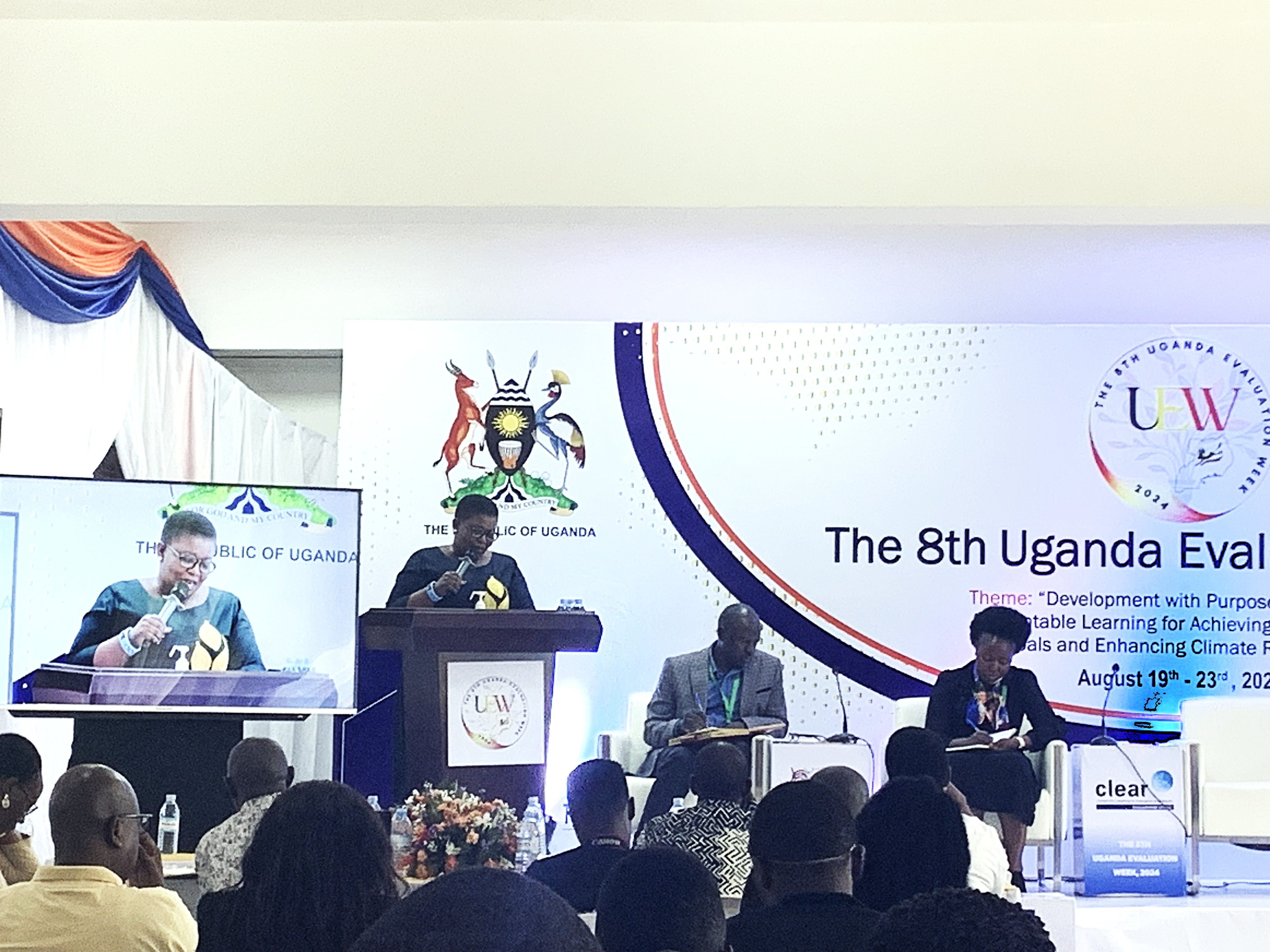
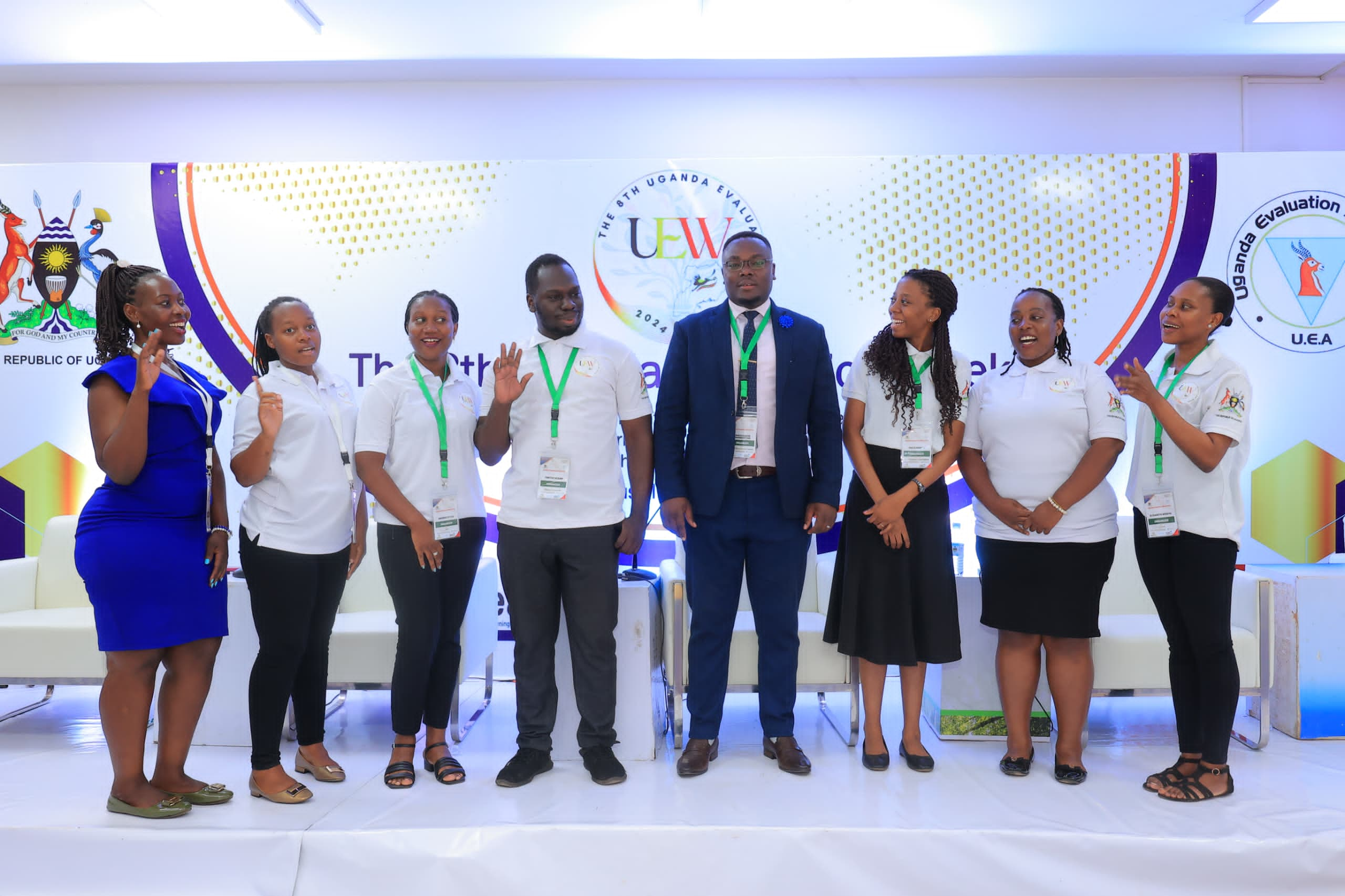
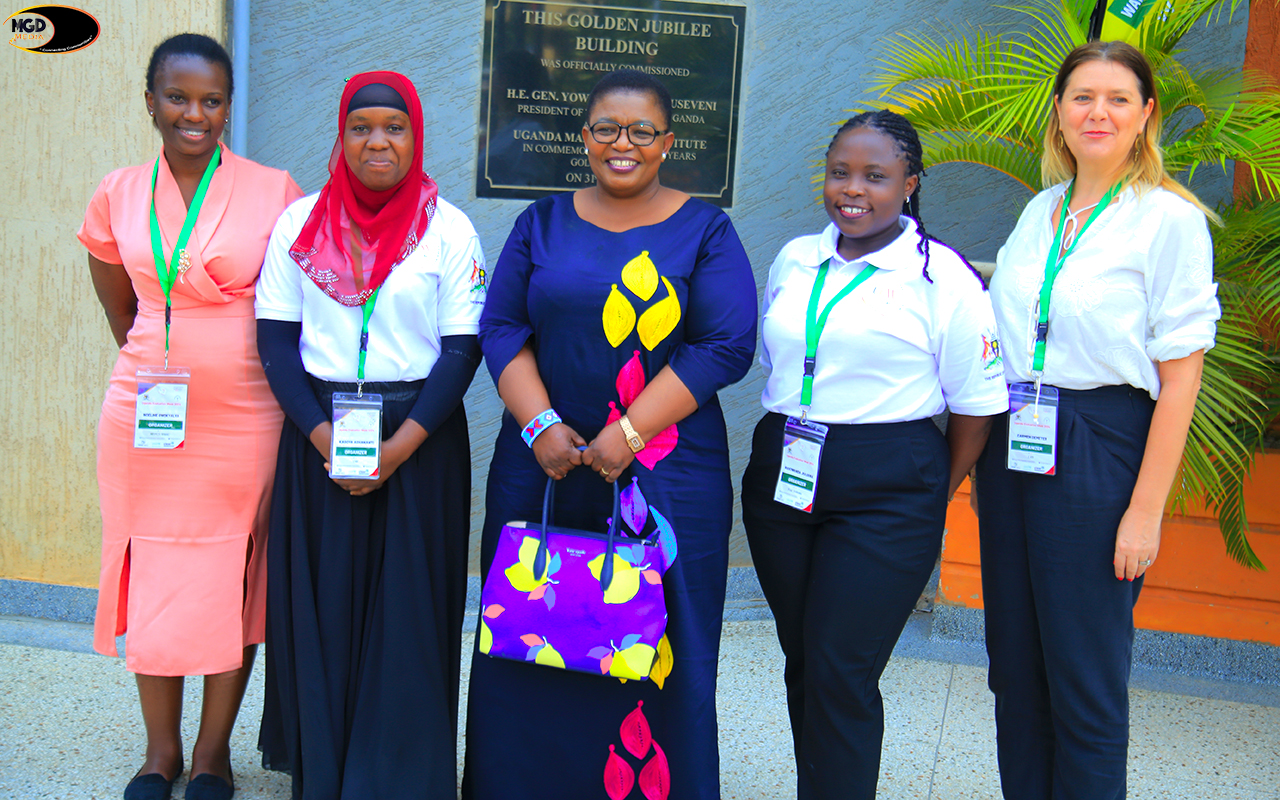
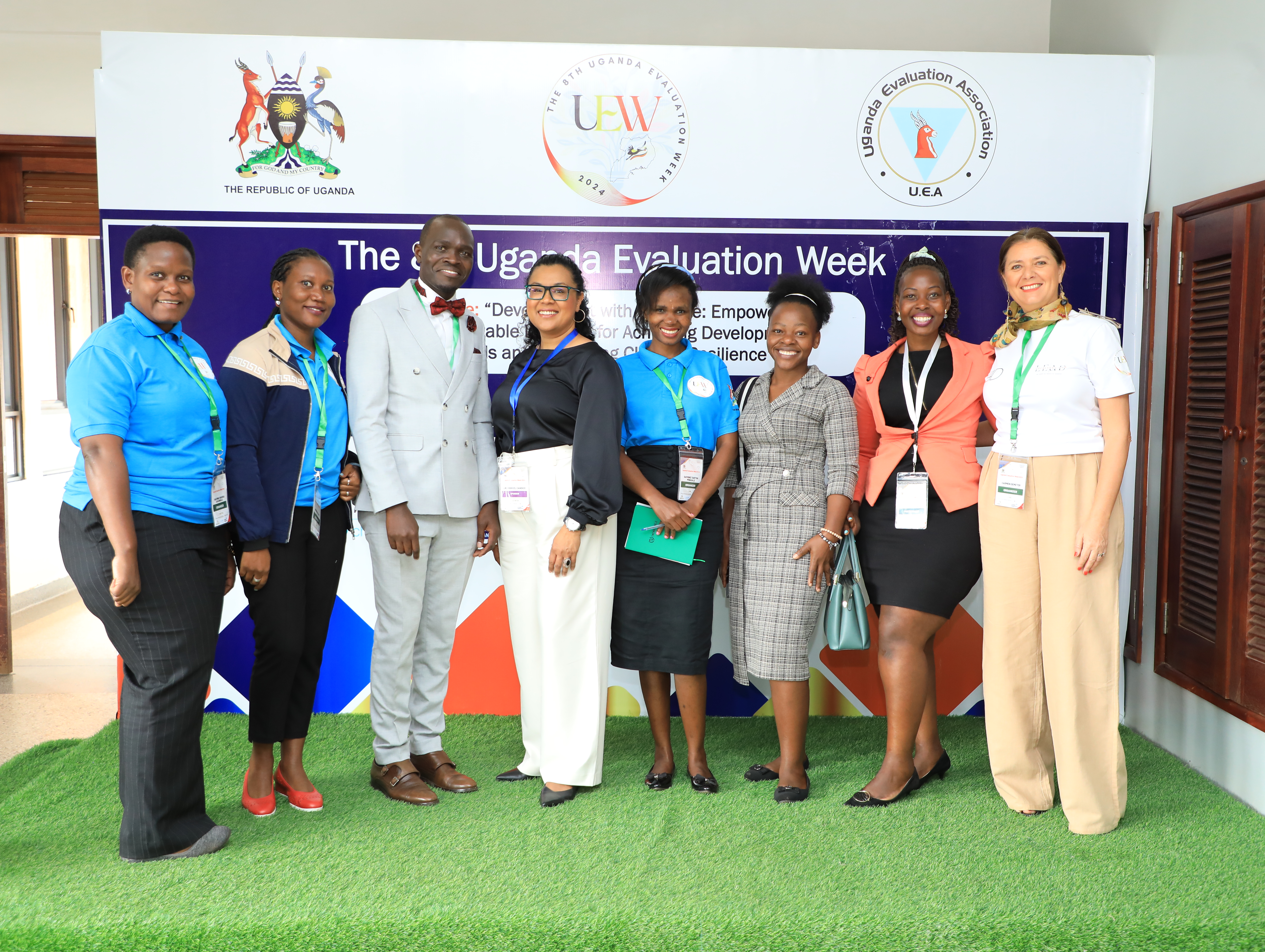
UEW 2024
01
Evaluation Excellence
Access cutting-edge evaluation methodologies, frameworks, and innovations from leading M&E practitioners across Uganda, Africa, and beyond.
02
Practical Capacity Building
Participate in hands-on workshops covering data collection tools, analysis methods, and evidence use in development programming.
03
Pan-African Networking
Build lasting connections with academia, development partners, evaluators, and practitioners from across Uganda, Africa, and the global development community.
04
Policy Influence
Engage directly with government officials and policy makers to champion evidence-based planning and accountable use of development and investment resources.
05
Career Development for YEEs
Advance your evaluation career through mentorship, professional development sessions, certification workshops, and recognition of evaluation excellence.
06
Knowledge Exchange
Share lessons, case studies, and evaluation findings from real development programmes and contribute to the growing body of African evaluation evidence.
300+ Delegates • 15+
Countries
25
“
Good evaluation is not about proving — it is about improving. It empowers communities, informs decision-makers, and ensures that every development shilling is invested where it matters most for the people of Uganda and Africa.
Uganda Evaluation Association
25 Years of Evidence-Based Development • Est. 2001
Programme
Conference Strands
Five thematic strands exploring how evaluation can drive transformative and sustainable development under Uganda's NDP IV.
01
Innovation & Technology Use: AI, Big Data and Evaluation
- Using AI for Real-Time Monitoring and Decision-Making
- Big Data in Development Evaluation: Opportunities and Challenges
- Anomaly Detection and Predictive Analytics in Public Programs
- AI Ethics and Bias Mitigation in Evaluation Practice
02
Evidence for NDP IV Implementation World Café
- Influencing Uganda's Industrialisation and Infrastructure Agenda
- Monitoring Human Capital Development under NDP IV
- M&E for the Parish Development Model: Tools and Lessons
- Assessing Public Sector Governance and Private Sector Growth
03
Well-being, Equity and Inclusion in Evaluation
- Measuring Mental Health and Well-Being in Development Evaluations
- Gender, Youth, and Disability Inclusion in M&E Systems
- Citizen-Led and Participatory Evaluations for Local Development
- Localising the SDGs through Subnational Evaluation Initiatives (Barazas)
04
Capacity Strengthening in Monitoring, Evaluation, Research, and Learning (MERL)
- Digital Tools for Participatory Evaluation and Data Visualisation
- Building AI Literacy for M&E Practitioners
- Equipping YEEs for the 21st Century MERL
- Strengthening Local Government M&E Capacity for NDP IV
- Universities and Think Tanks as Catalysts for Evaluation Innovation
05
Governance, Learning and Accountability
- Institutionalising Evidence Use in Policy and Budget Cycles
- Promoting Evaluation-Based Accountability in the Public Sector
- Creating a Culture of Learning and Feedback in Public Institutions
- Leveraging on CSO & Development Partners' role in Evaluation
- Strengthening Multi-Stakeholder Evaluation Partnerships
Distinguished Guests
Guests of Honour
UEW 2026 is honoured to be graced by senior government representatives whose leadership shapes Uganda’s national development and evidence ecosystem.
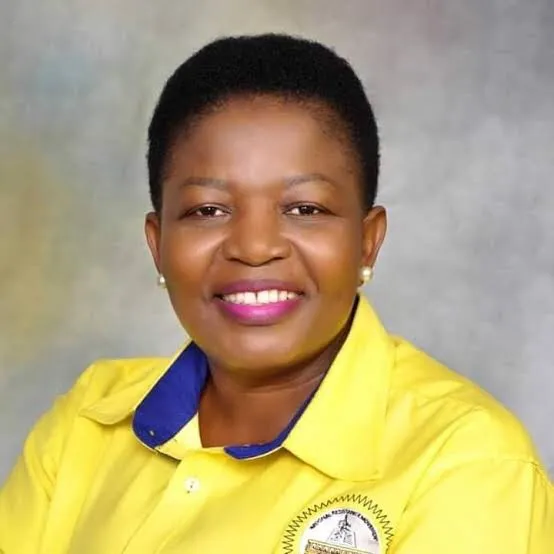
Chief Guest · Opening & Closing Ceremony
Hon. Justine Kasule Lumumba
Minister for General Duties,
Office of the Prime Minister
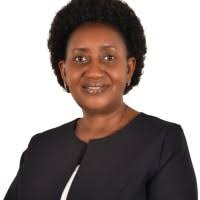
Key Convener
Ms. Jane Kyarisiima Mwesiga
Deputy Head of Public Service in charge of Performance & Service Delivery,
Office of the Prime Minister, Uganda
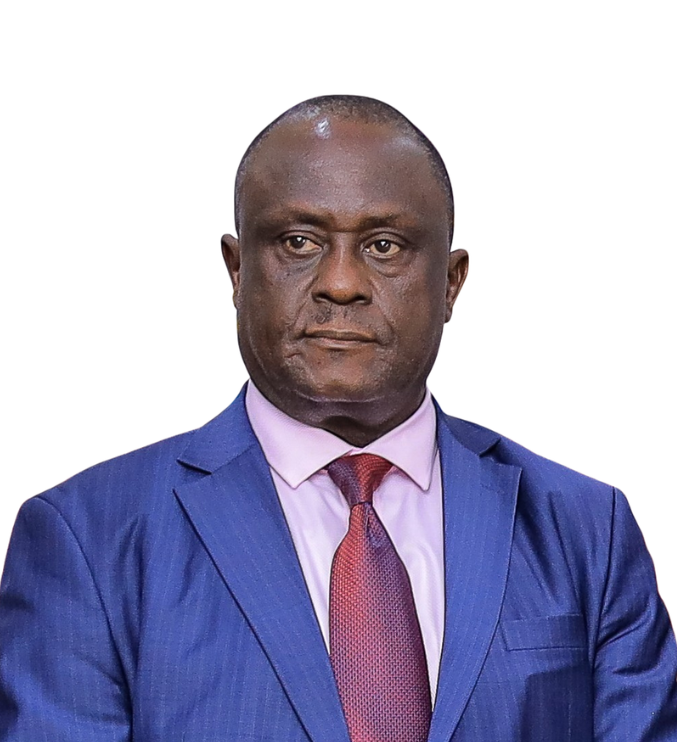
Guest Speaker
Mr. Julius Victor Nkeramihigo
Permanent Secretary in charge of Coordination,
Office of the Deputy Head of Public Service, Performance Management & Service Delivery
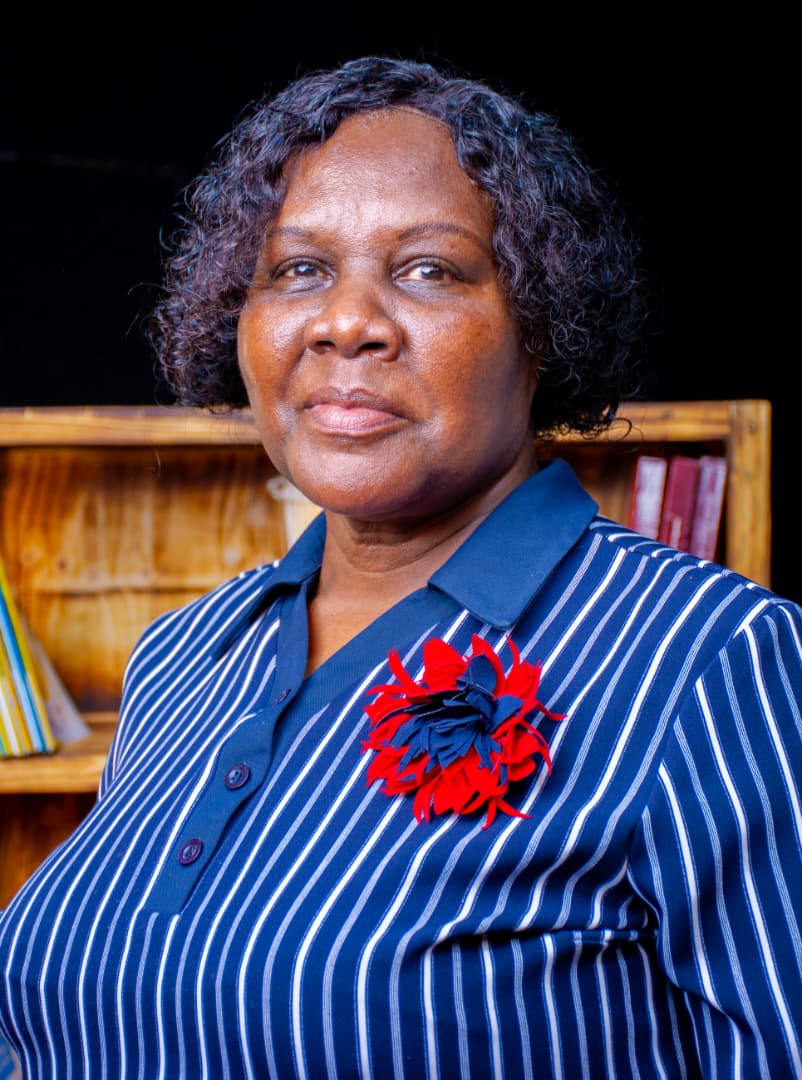
Guest Speaker
Ms. Margaret Kakande
Head of Budget and Accountability Unit,
Ministry of Finance, Planning and Economic Development (MoFPED) Uganda
Guest Speaker
Dr. Rhoda Wannyenze
Professor and Dean, Makerere University School of Public Health
UEW 2026 convenes policymakers, keynote speakers, moderators, panelists, and organizers from across Uganda and the continent—all in one place.
View All Key Attendees
Featured Speakers
Confirmed Speakers
Leading voices in monitoring, evaluation, accountability, and learning from across Uganda, Africa, and the global development community. Additional speakers will be announced as confirmations come in.
Confirmed
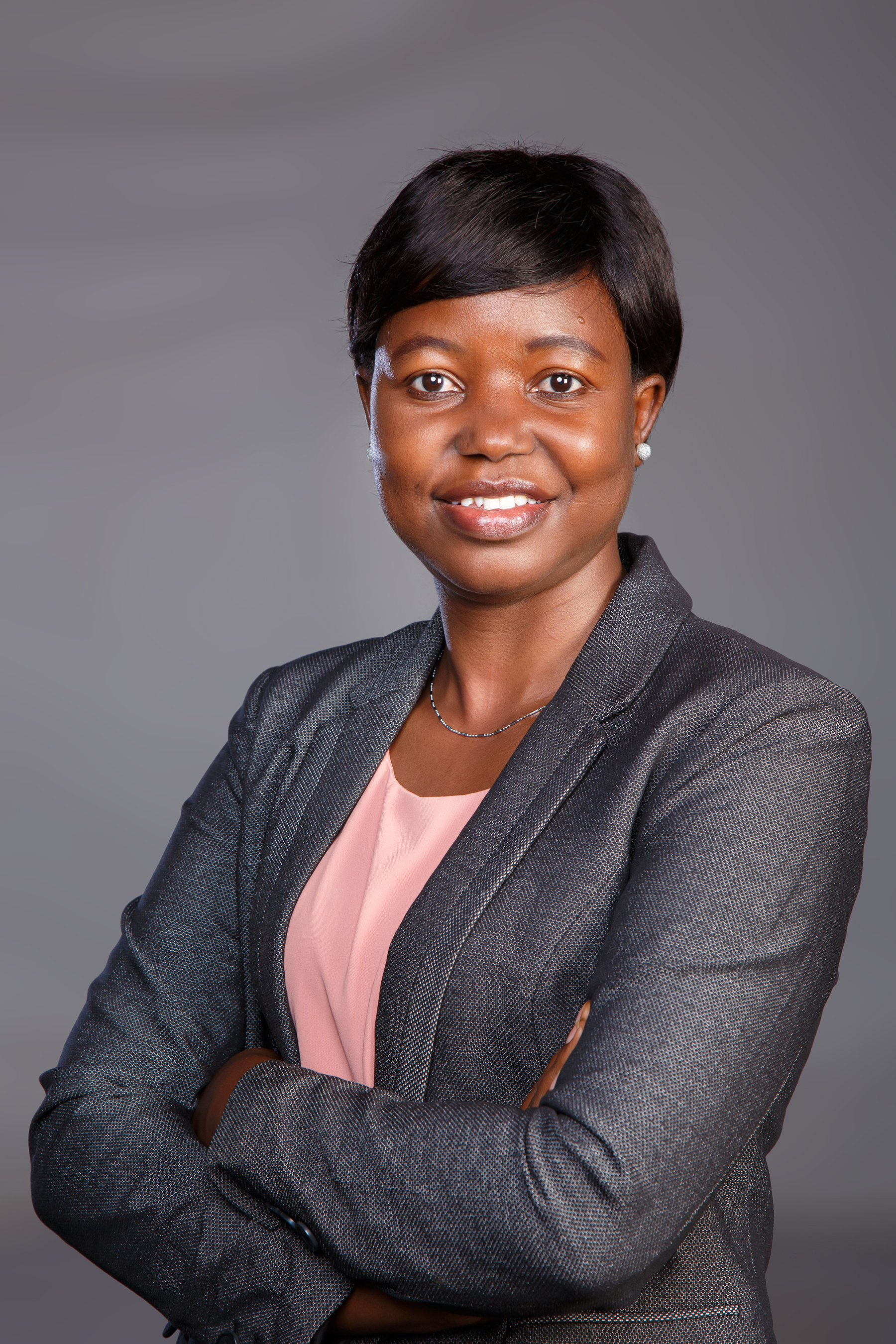
Dr. Josephine Watera
President, Uganda Evaluation Association
Confirmed
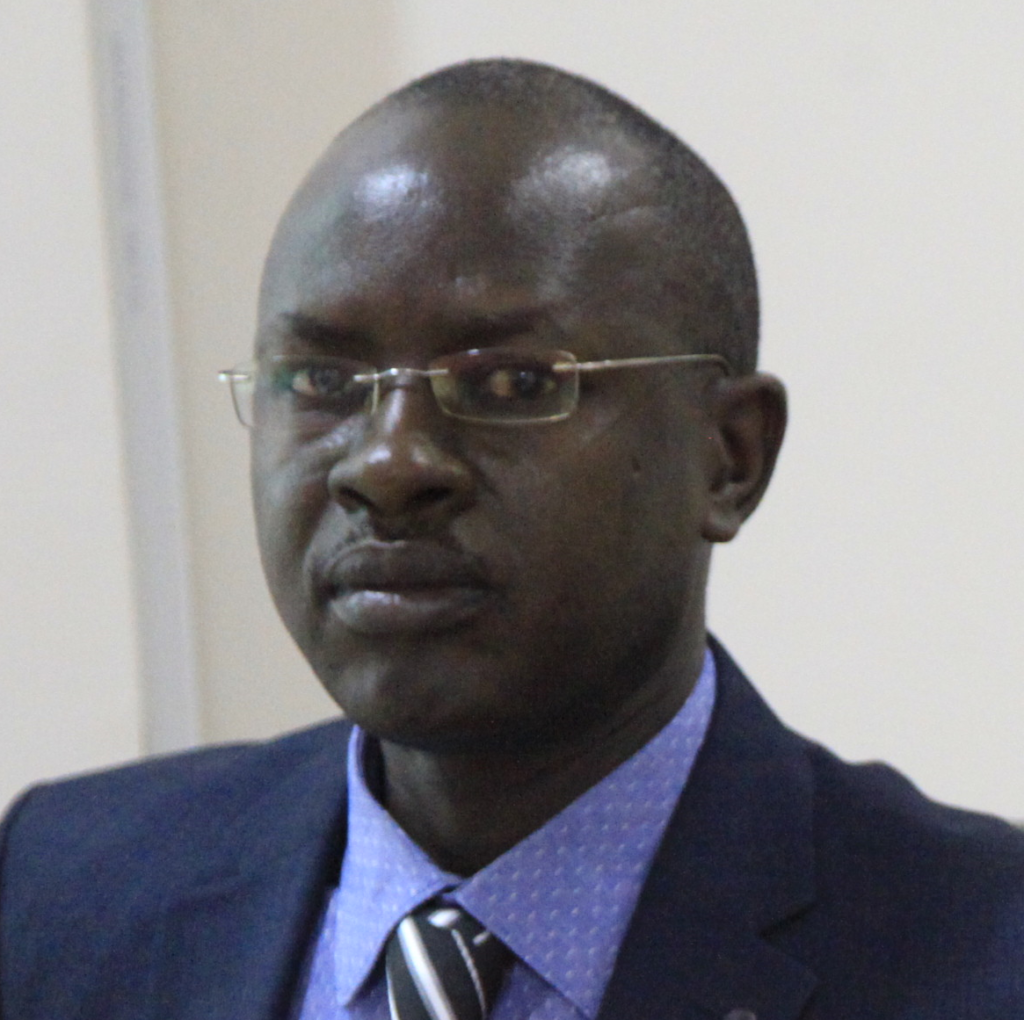
Commissioner Timothy Lubanga
Vice President, UEA · Commissioner, M&E, Office of the Prime Minister
Confirmed
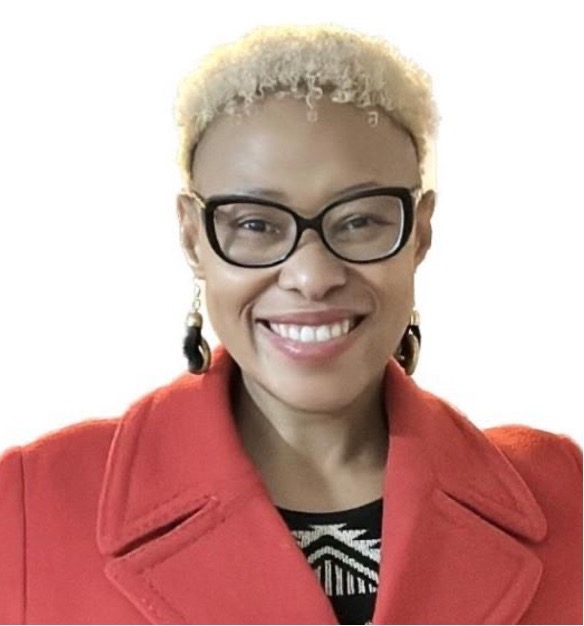
Dr. Thina Nzo
Keynote Speaker · Programme Manager, Twende Mbele, Wits University
Confirmed
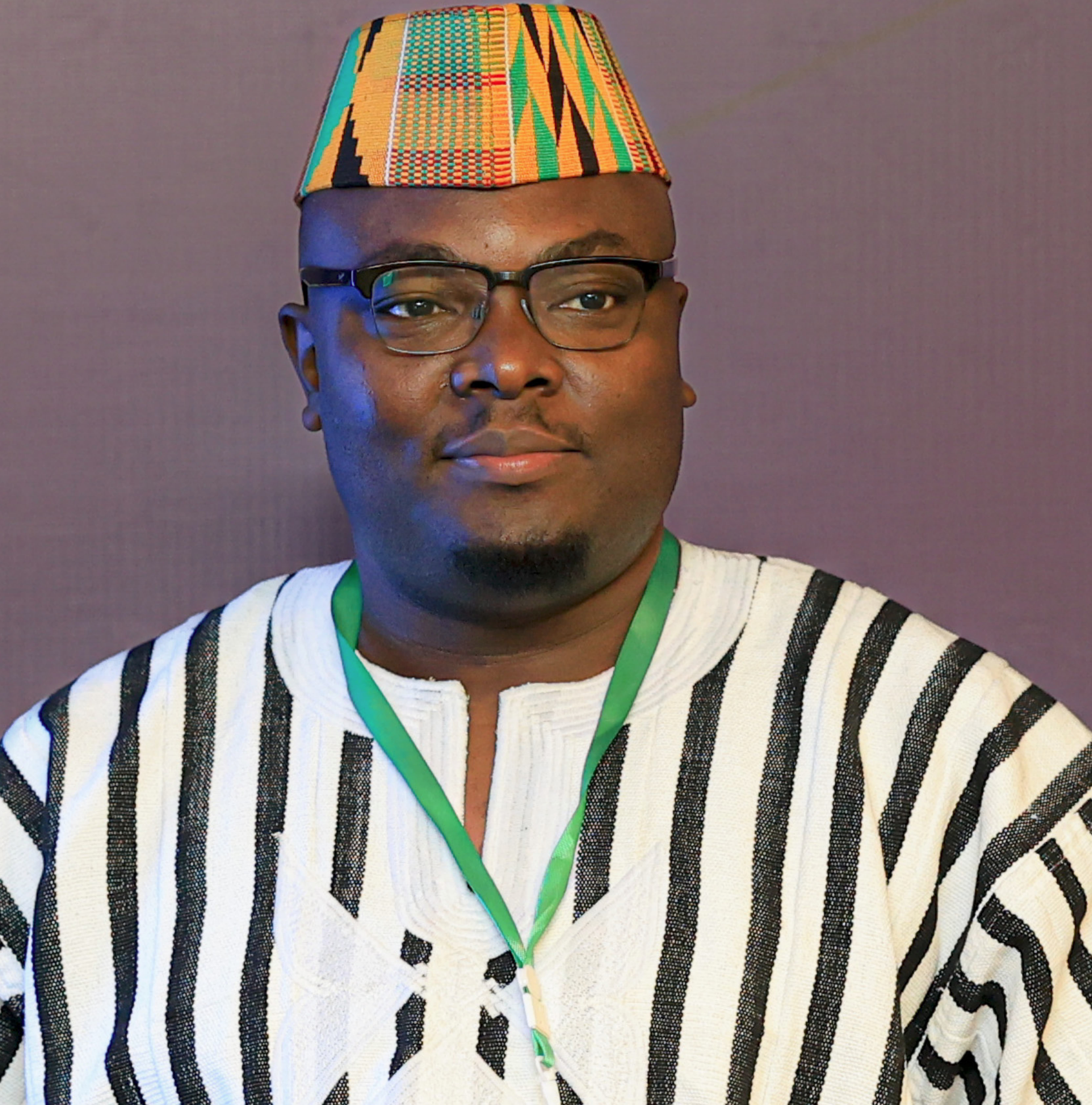
Mr. Eugene Miheso Swinnerstone
Academia Representative, UEA · Senior M&E & ICT Consultant; Director of Programmes, Trend Systems E.A.
Confirmed
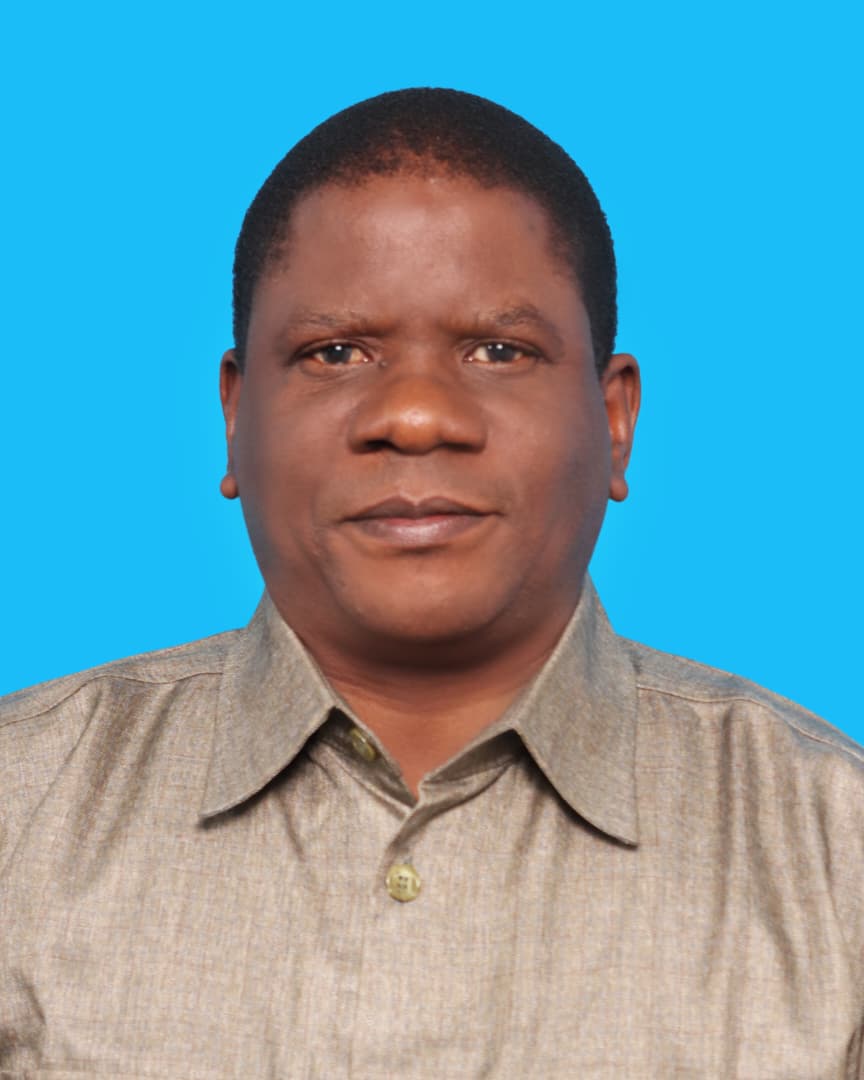
Dr. Almas Fortunatus Mazigo
Senior Lecturer, Applied Ethics & Development Evaluation, DUCE, Tanzania
Confirmed

Ms. Neema Noel Kilembe
Assistant Director, Performance, M&E, Office of the Prime Minister, Tanzania
Confirmed
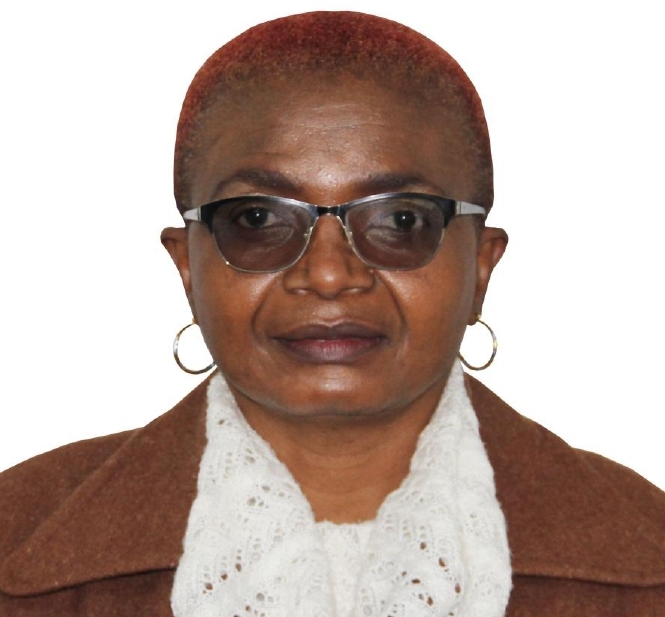
Ms. Caroline Makuvire
Director, Evaluation, Research & Learning, Office of the President and Cabinet, Zimbabwe
Confirmed
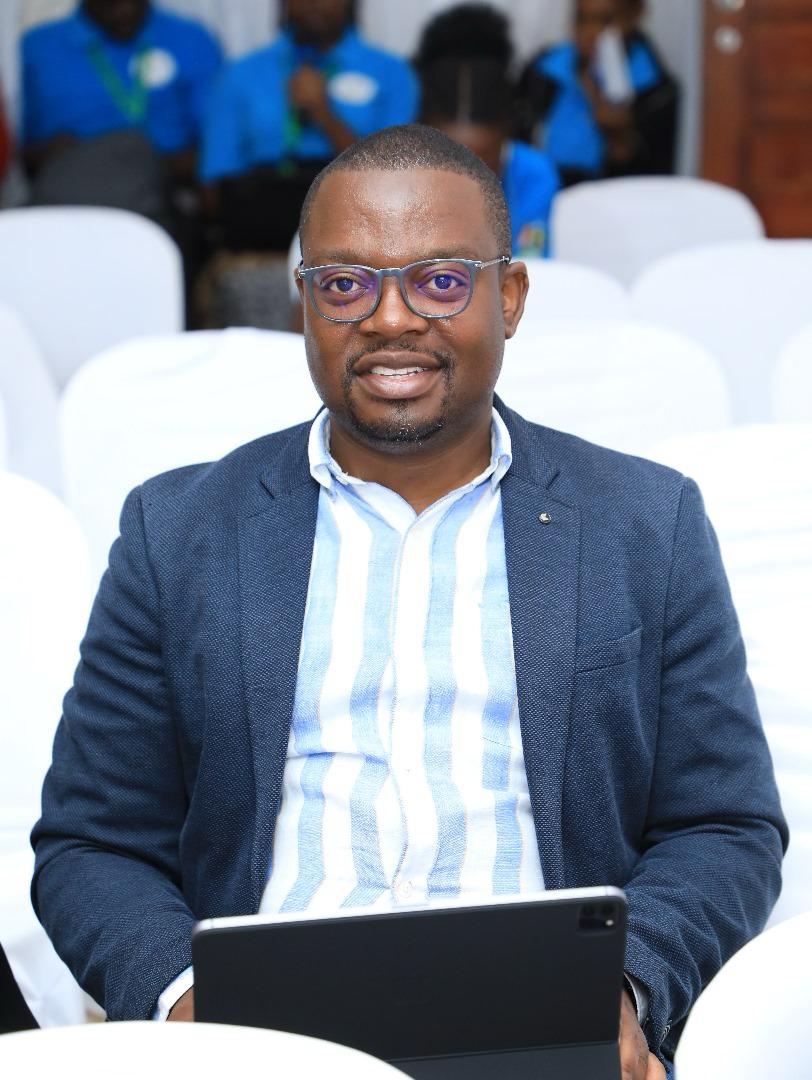
Dr. Takunda Chirau
Director, CLEAR-AA
Confirmed
Prof. Serge Eric Yakeu Djiam
Executive Director, CAED · Former Afrea President
Confirmed
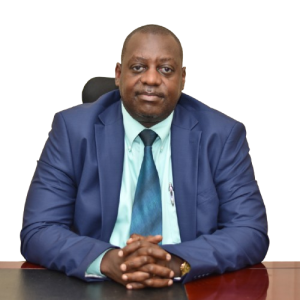
Dr. Fredrick Edward Kitoogo
Principal, UICT · ICT Governance and Digital Transformation Expert
Confirmed

Dr. Winnie Mukisa Nabiddo
National Planning Authority · Economist and Evaluation Expert
Confirmed
Ms. Margaret Kakande
Head of Budget Monitoring and Accountability Unit under MOFPEDMore Speakers
Additional keynote speakers and panelists will be announced as confirmations come in.




Conference Programme
5 Days of Evaluation Excellence
⬤ Strand 1: Innovation & Technology
⬤ Strand 2: Evidence for NDP IV
⬤ Strand 3: Wellbeing, Equity & Inclusion
⬤ Strand 4: Capacity Strengthening
⬤ Strand 5: Governance, Learning & Accountability
Download Full Programme (PDF)
-
Sun, May 3
Arrival -
Mon, May 4
Workshops (Full Day) -
Tue, May 5
Workshops + Opening -
Wed, May 6
Paper Sessions — Day 1 -
Thu, May 7
Paper Sessions — Day 2 -
Fri, May 8
Closing & Excursions
-
Sunday, 3 May 2026 · Pre-Conference Arrival
- Participant registration & materials collection
- Hotel check-in at Silver Springs Hotel and Other booked places
- Welcome Networking Reception and Registration · Silver Springs Hotel
-
Monday, 4 May 2026 · Pre-Conference Workshops — Full Day
4 Breakout Rooms · 8:30 AM – 5:00 PM
Morning Session · 8:30 AM – 10:00 AMWK 01 Board Room 1Unveiling the Potential of GIS in Evaluation Data Management, Analysis and Visualization (Full Day)Tebugulwa DanWK 02 Muyenga 1Harnessing ATLAS.ti for Rigorous Qualitative Evidence: Advancing Digital Capacity in Uganda's MERL Landscape (Full Day)Eugene Miheso SwinnerstoneWK 03 Muyenga 2Data Management, Analysis and Visualization using STATA (Full Day)Ssenyondo VicentWK 06 Muyenga 3Equitable Evaluation (1.5 Days — Day 1)Dr. Steven Masvaure, Tebogo Fish & Dr. Takunda ChirauTea Break · 10:00 AM – 10:30 AMLate Morning Session · 10:30 AM – 1:00 PMWK 01 Board Room 1 · ContinuationUnveiling the Potential of GIS in Evaluation Data Management, Analysis and VisualizationTebugulwa DanWK 02 Muyenga 1 · ContinuationHarnessing ATLAS.ti for Rigorous Qualitative Evidence: Advancing Digital Capacity in Uganda's MERL LandscapeEugene Miheso SwinnerstoneWK 03 Muyenga 2 · ContinuationData Management, Analysis and Visualization using STATASsenyondo VicentWK 06 Muyenga 3 · ContinuationEquitable EvaluationDr. Steven Masvaure, Tebogo Fish & Dr. Takunda ChirauLunch Break · 1:00 PM – 2:00 PMAfternoon Session · 2:00 PM – 5:00 PMWK 01 Board Room 1 · ContinuationUnveiling the Potential of GIS in Evaluation Data Management, Analysis and VisualizationTebugulwa DanWK 02 Muyenga 1 · ContinuationHarnessing ATLAS.ti for Rigorous Qualitative Evidence: Advancing Digital Capacity in Uganda's MERL LandscapeEugene Miheso SwinnerstoneWK 03 Muyenga 2 · ContinuationData Management, Analysis and Visualization using STATASsenyondo VicentWK 06 Muyenga 3 · ContinuationEquitable EvaluationDr. Steven Masvaure, Tebogo Fish & Dr. Takunda Chirau -
Tuesday, 5 May 2026 · Pre-Conference Workshops (Morning) & Opening Ceremony
Morning Session · 8:30 AM – 10:00 AMWK 04 Board Room 1AI-Powered Digital Data Collection (Half Day)Kenneth Otikal & Eugene Miheso SwinnerstoneWK 05 Muyenga 1Designing a Theory of Change for Implementation and M&E (Full Day — Morning Part)Dr. Bwanika GodfreyWK 08 Muyenga 2From Data to Decisions: Practical Tools for Institutionalizing Evidence Use (Half Day)Florence RandariWK 06 Muyenga 3Equitable Evaluation (Day 2 of 1.5 Days — Morning)Dr. Steven Masvaure, Tebogo Fish & Dr. Takunda ChirauTea Break · 10:00 AM – 10:30 AMLate Morning · 10:30 AM – 1:00 PMWK 04 Board Room 1 · ContinuationAI-Powered Digital Data CollectionKenneth Otikal & Eugene Miheso SwinnerstoneWK 05 Muyenga 1 · ContinuationDesigning a Theory of Change for Implementation and M&EDr. Bwanika GodfreyWK 08 Muyenga 2 · ContinuationFrom Data to Decisions: Practical Tools for Institutionalizing Evidence UseFlorence RandariWK 06 Muyenga 3 · ContinuationEquitable EvaluationDr. Steven Masvaure, Tebogo Fish & Dr. Takunda ChirauLunch Break · 1:00 PM – 2:00 PMAfternoon Session · 2:00 PM – 3:00 PMWK 05 Muyenga 1Designing a Theory of Change for Implementation and M&E(Afternoon Continuation)Dr. Bwanika GodfreyWK 07 Muyenga 2Enhancing MEAL Practices through Advanced Data Visualization and AI Integration with Power BIChris Derrick OpioWK 09 Board Room 1How to Design an Evidence-Based Evaluation ReportMr. Serge Eric Yakeu DjiamEnd of Workshops · 3:00 PMOpening Ceremony · EveningOpening Ceremony · 3:00 PM – 8:30 PM · Kisakye Main Hall
Official Opening of UEW 2026
We kindly invite our guests to wear traditional or national attire for the Opening Ceremony, so that our event visuals reflect the conference’s rich cultural diversity and heritage.
Thank you,
UEW Team- National Anthem
- Opening Prayer
- Short Remarks — Commissioner Timothy Lubanga, Dr. Watera Josephine (Conference Chair)
- Introduction of Dignitaries
- Introductory Address Uganda Evaluation Association Journey@25 (UEA Silver Jubilee) Ms. Margaret Kakande, Head of Budget Monitoring and Accountability Unit
, Ministry of Finance, Planning and Economic Development (MoFPED) - Keynote Address: Evaluation for Transformation: Uganda's Journey to Evidence-Informed Development Dr. Rhoda Wannyeze, Professor and Dean, Makerere Univeristy School of Public Health
- Welcome Remarks — Mr. Julius Victor Nkeramihigo, Permanent Secretary for Policy Coordination, Office of the Deputy Head of Service, OPM
- Chief Guest Speech — Rt. Hon. Justine Kasule Lumumba, the Minister for General Duties, Office of the Prime Minister
- Partner & Stakeholder Remarks
- Launch of the UEA Commemorative Handbook
- Cultural Dance Performance & Cake Cutting
- Official Opening Declaration — Rt. Hon. Justine Kasule Lumumba, the Minister for General Duties, Office of the Prime Minister
- Group Photo Session — VIPs and Organizers
- Networking Reception & Dinner / Gala
-
Wednesday, 6 May 2026 · Parallel Paper Sessions — Day 1
Morning Plenary · 8:30 AM – 10:00 AMMorning Plenary · Kisakye Main Hall
Keynote 1: Harnessing AI and Big Data for Transformative Evaluation in Africa
Tea Break · 10:00 AM – 10:30 AMParallel Session 1 · 10:30 AM – 12:30 PM · 5 Breakout RoomsTime Venue: Board Room 1
Strand 1: Innovation & Tech
Chair: Kenneth OtikalVenue: Muyenga 1
Strand 2: Evidence for NDP IV
Chair: Rosetti Nabbumba NayengaVenue: Muyenga 2
Strand 3: Wellbeing, Equity & Inclusion
Chair: Rutagwelera Godfrey MutakyahwaVenue: Muyenga 3
Strand 4: Capacity Strengthening
Chair: Tebogo FishVenue: Kisakye Main Hall
Strand 5: Governance, Learning & Accountability
Chair: Anitha Ishengoma10:30–10:55 Digital Readiness, Trust, and Inclusion in MEL: Innovations Shaping Uganda's Evaluation Future Using Evaluation to Strengthen Private Sector Competitiveness: Insights from Nationwide Industry Visits Under the Tenfold Growth Strategy Strengthening Gender Youth and Disability Inclusion in Evaluation: Lessons from Conflict Affected and Low Resource Settings in Northern Nigeria From Ivory Towers to Innovation Hubs: The Transformative Role of Universities and Think Tanks in Reimagining Evaluation Practice Leveraging Evidence-informed Policy Making and Budgeting: Lessons from the Evaluation of the Zanzibar Research Agenda (2021–2026) 10:55–11:20 Advancing Academic Excellence: Evidence-Based Evaluation Framework for Faculty Promotion in Ugandan Universities Evidence-Based SDG Integration in NDP IV: Insights from Uganda's National Alignment Assessment Tips for More Explicit Evaluation Inclusiveness Participatory Digital Tools for Community-Led Evaluation of Nutrition Programs 11:20–11:45 Leveraging AI-Enabled Dashboards for Real-Time Monitoring of Primary Health Care Programs Assessing Social-Economic Transformation of Households/Families Empowering Young Women in Evaluation: AGDEN's Contributions to Gender Equity and Inclusion in African MERL Systems Decolonising AI Literacy for Made in Africa Evaluation: Rethinking Knowledge, Power, and Local Contexts Regulating the Airwaves: Strengthening Media Independence and Accountability in Uganda's Broadcasting Sector 11:45–12:10 Leveraging Digital Innovations for Real-Time Monitoring: The Simplified NDPIV PIAP Dashboard Indigenous Cultural Practices in Lesotho and How They Contribute to Shaping Gender Norms 12:10–12:30 Q&A and Discussion — All Rooms Lunch Break · 12:30 PM – 2:00 PMAfternoon Plenary · 2:00 PM – 3:00 PMAfternoon Plenary · Kisakye Main HallKeynote 2: Strengthening Evidence Systems for Uganda's National Development Plan IV
Parallel Session 2 · 3:00 PM – 4:30 PM · 5 Breakout RoomsTime Venue: Board Room 1
Strand 1: Innovation & Tech
Chair: Roland Bless TaremwaVenue: Muyenga 1
Strand 2: Evidence for NDP IV
Chair: Sylvester KatoVenue: Muyenga 2
Strand 3: Wellbeing, Equity & Inclusion
Chair: Dr. Julian K. BagyenderaVenue: Muyenga 3
Strand 4: Capacity Strengthening
Chair: Rinji KwarkasVenue: Kisakye Main Hall
Strand 5: Governance, Learning & Accountability
Chair: Noeline Gwokyalya3:00–3:25 Predictive Analytics for Evaluating Educational Interventions A Five-Year Review of the Health Sub-Programme Performance in Karamoja The Local is Indigenous: EvalIndigenous Advocacy for Indigenous Evaluation (Panel) Building Evaluation Skills at the Community Level: Lessons from Supporting Data Collection Teams in Northern Nigeria Institutional Feedback Loops and Adaptive Management in M&E Practice: A Case Study of Water Mission Kenya 3:25–3:50 From Data Silos to Data Power: Transforming Uganda's Evaluation System Through Data Interoperability and AI-Powered Analytics M&E for the Parish Development Model: Tools and Lessons from National-Level Implementation in Uganda Cultivating Gender-Responsive Evaluation Leadership: A Process-Based Study of Youth-Led NGOs in Dar es Salaam Strengthening National Evaluation Capacity: The Role of Universities and Think Tanks in Driving Innovation in MERL Beyond Design: A Critical Assessment of Uganda's SPEAR Framework 3:50–4:15 Anomaly Detection in Public Service Delivery Using AI: Insights for MERL Innovation Unlocking Uganda's Agricultural Trade Potential: Evidence, Policy Coherence, and Value Chain Transformation Citizen-Led and Participatory Evaluations for Local Development Building Capacity of Young and Emerging Evaluators in Gender-Responsive M&E in Ghana Trumpfication and Trumpformation of Development Aid and its Ramifications for Africa 4:15–4:30 The Rising Trend of AI and Data-Driven Utilization in Monitoring and Evaluation From Demographic Pressure to Demographic Dividend: Rethinking Youth Employment Strategies in Uganda Equipping Young and Emerging Evaluators for the 21st Century MERL Evaluating Parliamentary Performance for Accountability and Learning: Insights from the Legacy Report of Uganda's 10th Parliament Q&A and Discussion — All Rooms Tea Break · 4:30 PM – 5:00 PMEvalIndigenous · 5:00 PM – 6:30 PMEvalIndigenous · 5:00 PM – 6:30 PM · Kisakye Main HallMeet up and Dinner
Moderators: Ms.Sylvia Ninsiima, UEA Assistant General Secretary and Mr.Eugene Miheso Swinnerstone, UEA Academia Representative
End of Day 1 -
Thursday, 7 May 2026 · Parallel Paper Sessions — Day 2
Morning Plenary · 8:30 AM – 10:00 AMMorning Plenary · Kisakye Main Hall
Keynote 3: Centering Equity and Indigenous Knowledge in African Evaluation Practice
Tea Break · 10:00 AM – 10:30 AMParallel Session 3 · 10:30 AM – 12:30 PM · 5 Breakout RoomsTime Venue: Board Room 1
Strand 1: Innovation & Tech
Chair: Mr. Eugene Miheso SwinnerstoneVenue: Muyenga 1
Strand 2: Evidence for NDP IV
Chair: Noeline GwokyalyaVenue: Muyenga 2
Strand 3: Wellbeing, Equity & Inclusion
Chair: Rinji KwarkasVenue: Muyenga 3
Strand 4: Capacity Strengthening
Chair: Dr. Martha OlwenyiVenue: Kisakye Main Hall
Strand 5: Governance, Learning & Accountability
Chair: Dr. Thina Nzo10:30–10:55 Beyond Celebration: Indigenous Evaluation Practices in Wedding Ceremonies Among the Bahaya of Tanzania Evaluating Budget & Efficiency Performance of the Natural Resources, Environment Programme of Uganda's NDP IV From Capacity Building to Career Pathways: Evidence from AGDEN IS4IP Small Grantees Tracer Study in Uganda Innovating, Including, and Scaling MERL Capacity: How the M&E Bench Is Re-Shaping MERL Capacity Fixing the Data Pipeline: Improving Census Enumeration Quality for Evidence-Based Planning in Uganda 10:55–11:20 Diversifying Evaluation of Nutrition Sensitive Social Protection: Alternative to RCT for Cash Based Transfer Closing the Cybersecurity Gender Gap in Uganda: Community Solutions for Women's Digital Safety Building AI Literacy for M&E Practitioners: Lessons from Pilot Training Programs Governing Digital Rights in Uganda: Strengthening Accountability and Enforcement 11:20–11:45 Institutionalising Indigenous Knowledge for Accountable Governance: Lessons from Taboo-Based Evaluation Among the Agikuyu The Role of Routine M&E Approaches in Improving Quality of Immunization Services in Greater Mubende Sub-region Ending Period Poverty in Schools: Evidence-Based Pathways for Advancing Girls' Education and Gender Equity An Assessment of the Effectiveness of M&E Systems Used in Health-Based NGOs in Botswana Powering Partnerships for Impact: The Strategic Role of VOPEs in Evaluation Ecosystems 11:45–12:10 Indigenous Evidence Systems as Foundations for Inclusive and Transformative Evaluation: Beyond Western Metrics (Round Table) Measuring Mental Health and Well-Being in Development Evaluations: Applying GPI and Lean Thinking in Uganda From Migiro (Taboos) to Metrics: Leveraging Indigenous Taboos for Gender-Responsive Evaluation Among the Agikuyu of Kenya Youth Participation in Monitoring, Evaluation and Performance of Youth Health Services Localization and Evaluation: A Path to Relevance, Appropriateness, Ownership, and Sustainability 12:10–12:30 Q&A and Discussion — All Rooms Lunch · 12:30 PM – 2:00 PMAfternoon Plenary · 2:00 PM – 3:00 PMAfternoon Plenary · Kisakye Main HallKeynote 4: Building the Next Generation of African Evaluators: Pathways and Partnerships
Parallel Session 4 · 3:00 PM – 4:30 PM · 5 Breakout RoomsTime Venue: Board Room 1
Track 1: Cross-Cutting Innovation under Strand 1
Chair: Roland Bless TaremwaVenue: Muyenga 1
Track 2: Disability & Inclusion under Strand 2
Chair: Dr. Asiimwe JoyVenue: Muyenga 2
Track 3: African Evaluation Ecosystem under Strand 3
Chair: Noeline GwokyalyaVenue: Muyenga 3
Track 4: Wellbeing & Mental Health under Strand 4
Chair: Nyavanga StanslausVenue: Kisakye Main Hall
Track 5: Capacity Building Impact under Strand 5
Chair: Dr. Ssekamatte David3:00–3:25 Citizen Led and Participatory Evaluations for Local Development Identification of Persons with Disabilities: An Experience with the Washington Group Questions in Uganda Rethinking Evaluation in Africa: Strengthening African-Led Evaluation Companies for Sustainable Evidence Systems Integrating Culturally Responsive Indicators for Measuring Mental Health and Well-Being in Development Evaluation Tracing Impact: How AGDEN's Capacity-Building Shapes Professional Trajectories in Kenya 3:25–3:50 The Byiringiro Impact Multiplier Model (BIMMI) — An Impact Multiplier Informed Decision Intelligence Framework Evaluating Gender Equity in Indigenous Business Systems: Evidence from Berom Women's Economic Participation in Nigeria Ten Years of African Peer Learning in M&E: Governance Lessons from the Twende Mbele Partnership From Law to Care: Integrating Mental Health into Primary Healthcare to Address Uganda's Growing Crisis Tracing Impact: How AGDEN's Capacity-Building Transforms Professional Trajectories of Young Evaluators in Ghana 3:50–4:15 From Broken Learning Loops to Evidence Pathways: Designing Decision-Centred Evidence Flow in Donor-Funded Programmes Empowering Citizens as First Responders: Evidence for Mandatory First Aid Training to Reduce Preventable Deaths Integration of Information Systems for Tracking Uganda's NDP Results and Knowledge Management Accelerating the Fight Against Malnutrition: Optimising Evidence, Governance, and Resources for Multisectoral Nutrition Action Measuring Legislative Efficacy: The Role of Legislative Performance Indices in Enhancing Accountability 4:15–4:30 Creating a Culture of Learning and Feedback in Public Institutions Digital Registries for Participatory Evaluation in Carbon Market Readiness: Lessons from Uganda's REDD+ Registry Reducing Seedling Prices to Unlock Agricultural Productivity: Evidence and Policy Options Measuring Mental Health and Well-Being in Development Evaluations: Applying GPI and Lean Thinking Who Speaks for 'Impact'? Rethinking Participation, Inclusion, and Well-being in National Evaluation Systems Q&A and Discussion — All Rooms Tea Break · 4:30 PM – 5:00 PMINCE Side Event · 5:00 PM – 6:30 PMINCE Side Event · 5:00 PM – 6:30 PM · Kisakye Main HallValidation of Results
Facilitators: Ms. Anna Elsie Luyiggo, YEEs Uganda President, Mr. Eugene Miheso Swinnerstone UEA Academia Representaive, Mr. Roland Bless Taremwa, OPM
- Presentation of evaluation results for validation
- Stakeholder feedback and discussion
- Consensus building session
- Way forward and recommendations
End of Day 2 -
Friday, 8 May 2026 · Closing Plenary & Excursions
Morning Plenary · 8:30 AM – 9:30 AMMorning Plenary · Kisakye Main Hall
Keynote 5: Institutionalizing Evidence Use: Accountability Systems for Sustainable Development
Working Tea · 9:30 AM – 10:00 AMClosing Plenary · 9:30 AM – 11:00 PMClosing Plenary · 9:30 AM – 11:00 PM · Kisakye Main HallFrom Evidence to Action: The Way Forward for Evaluation in Uganda
- Opening Remarks — Timothy Lubanga, Commissioner M&E Office of the Prime Minister (OPM)
- Recap of Key Conference Highlights & Outcomes - Kepha Kawanguzi
- Participant Reflections / Testimonials - Survey
-
Panel Discussion: Bridging the Gap Between Evaluation Evidence and Policy Implementation
Panelists:- Timothy Lubanga, Commissioner M&E Office of the Prime Minister (OPM);
- Matthew Lubuulwa, Senior Technical Officer Ministry of Finance Planning and Economic Development;
- Dr. Takunda Chirau, Director, CLEAR-AA;
- Dr. Thina Nzo, Programme Manager, Twende Mbele;
- Ms. Anna Elsie Luyiggo, President, Young and Emerging Evaluators - Uganda.
Moderator: Dr. Watera Josephine, UEA President - Closing Remarks — Dr. Watera Josephine, President UEA (Conference Chair)
- Guest of Honour Closing Speech — Ms. Jane Kyarisiima Mwesiga, Deputy Head of Public Service, OPM
- Vote of Thanks — Dr. Bagyendera Julian
- Closing Prayer
- National Anthem
Afternoon Excursions · Departure 11:00 AM · OptionalJinja trip — Source of the Nile
11:00 AM – 8:00 PM · Chartered Buses- 11:00 AMDeparture from conference venue in Kampala
- 2:00 PMVisit to the Source of the Nile / Mabira Forest stopover (Guided tour, boat ride, Gandhi Monument, Art Centre)
- 5:00 PMRefreshments at Riverside Restaurant
- 8:00 PMArrival at the conference venue in Kampala
✕Pre-Arranged Trip 2: Greater Kampala Experience
1:00 PM – 6:00 PM · Chartered Buses- 1:00 PMDeparture from conference venue in Kampala
- 1:30 PMGuided tour: National Mosque, Kabaka’s Palace & Royal Mile, Kasubi Royal Tombs (UNESCO Site)
- 4:30 PMVisit Uganda Arts & Crafts Village (souvenir shops)
- 6:00 PMArrival at the conference venue in Kampala
⚠ Due to public demand, we are only offering the Jinja trip.Special Fee: $70 (260,000 UGX) per person · Guests may choose only one of the two trips · Booking in advance is required★ End of Uganda Evaluation Week 2026 ★
Registration
Register for UEW 2026
Join hundreds of evaluation professionals at Uganda's premier annual conference. Early Bird rates available until April 30, 2026.
International
Professionals
Early Bird
$400
Late
$450
Young & Emerging Evaluators (YEEs)
Early Bird
$250
Late
$300
East African
Professionals
Early Bird
$300
Late
$350
Young & Emerging Evaluators (YEEs)
Early Bird
$200
Late
$250
Most Popular
Ugandan Delegates
UEA Members
Early Bird
UGX
750K
750K
Late
850K
YEE Members
Early Bird
UGX
555K
555K
Late
650K
Non-UEA Members
Early Bird
UGX
850K
850K
Late
950K
Pre-Conference Workshops
Intl: $200 • UEA Members: UGX 500K • Non-Members:
UGX 600K
Exhibition Space (Per Booth)
International: $250 • National: $200
Excursion — Source of the Nile & Greater Kampala Tour
$70 per person
Early Bird Closes
April 30, 2026
Late Registration Closes
May 4, 2026
Event Location
Venue & Location
Uganda Evaluation Week 2026 will be held at Silver Springs Hotel — a premier 4-star conference venue in the heart of Bugolobi, Kampala, offering world-class facilities, on-site accommodation, and excellent transport links.
Silver Springs Hotel,
Bugolobi, Kampala
Silver Springs Hotel
Bugolobi Portbell Road, Plot 76A/D — Kampala, Uganda
Address
Bugolobi Portbell Road, Kampala, Uganda
Hotel Reception
Hotel Email
Hotel Website
Free Wi-Fi
Pool & Spa
On-site Rooms
Restaurant
Airport Shuttle
Conference Halls
Got Questions?
Frequently Asked Questions
Everything you need to know about attending, presenting, and participating in UEW 2026. Can't find your answer? Email us at conference@ugandaevaluationassociation.org
Registration & Tickets
What are the UEW Conference fees and how can I register?
The UEW Conference aims to attract a diverse audience and
therefore offers a variety of options and discounted rates
to encourage participation.
View the UEW Conference registration fees
on this page, then register at the
official
registration portal.
What do the Pre-Conference Workshop fees cover?
The Pre-Conference Workshop fees cover one-and-a-half-day
participation in the various practical workshops scheduled
for those days. Workshop spaces are capped at 30
participants. The fee does not cover
participation in the following 3-day main Conference.
Are there any special UEW Conference offers and discounts?
Conference speakers and presenters will receive a
free pass only for the day of their presentation
with their confirmation/invitation. Volunteers receive a
daily pass only for the day they provide onsite service.
There are two discounted registration windows: Early Bird — register online before April 15, and Late Rate — register before May 4, 2026.
There are two discounted registration windows: Early Bird — register online before April 15, and Late Rate — register before May 4, 2026.
Are group bookings discounted? If yes, how can I register a
group?
For groups of more than 8 participants the
rate is discounted by 15%. Please email
conference@ugandaevaluationassociation.org
for group reservations.
How can I become a partner, sponsor, or exhibitor at UEW
2026?
We appreciate your interest in supporting the Conference.
Please visit the
Sponsors & Partners page or
contact us at
conference@ugandaevaluationassociation.org
for sponsorship packages and exhibition opportunities.
What are the cancellation and refund policies?
You can receive a
full refund minus any transaction fees if
you request a cancellation before
midnight, May 1st, 2026. Requests after
this date will not be refunded.
If you cannot attend, your registration can be transferred to a substitute participant from your organisation. Forward your confirmation email with the substitute's full name, job title, and email address to conference@ugandaevaluationassociation.org or call +256 752 456 789 / +256 776 123 523.
Pre-Conference Workshop registrations cannot be split between participants across the two days. To correct or modify a registration, contact the Conference Team as soon as possible — your place is unconfirmed until full payment is received.
If you cannot attend, your registration can be transferred to a substitute participant from your organisation. Forward your confirmation email with the substitute's full name, job title, and email address to conference@ugandaevaluationassociation.org or call +256 752 456 789 / +256 776 123 523.
Pre-Conference Workshop registrations cannot be split between participants across the two days. To correct or modify a registration, contact the Conference Team as soon as possible — your place is unconfirmed until full payment is received.
Presenters
Do all presentations need to be in-person at the Conference
in Kampala?
Yes. The workshops and main Conference will take place
in-person only at Silver Springs Hotel,
Kampala.
What happens if I can no longer speak at the Conference
after my application is accepted?
Please inform our team as soon as possible so we can work
with you on an alternative. Email
conference@ugandaevaluationassociation.org
or call +256 752 456 789 /
+256 776 123 523.
Do you cover travel costs and fees for presenters?
No. The UEW Conference does not cover travel costs or
registration fees for presenters. However, presenters
receive a
free pass for the day of their presentation
with their confirmation/invitation.
Do speakers and presenters need to pay to attend other
Conference days?
Yes. Presenters must register for the Conference. They
receive a
free pass only for the day of their presentation. If they wish to
attend other days of the main Conference,
a daily fee of $50 per person (foreign
nationals) or $25 per person (Ugandan
nationals) applies.
What A/V equipment will be available for presenters?
All conference rooms will be equipped with
display screens, projectors, and internet
connection. Public address equipment will be available in plenary
rooms only. Presenters are expected to use their own laptops
and are responsible for all peripheral equipment including
adaptors, converters, and cable connectors.
What format and when should I submit my presentation?
Please submit your session materials (PPT slides, etc.)
at least 3 days prior to your scheduled
session to
conference@ugandaevaluationassociation.org.
Please use an accessible presentation format.
Venue & Accommodation
Where and when are the Conference, Pre-Conference workshops,
and side events taking place?
All UEW Conference sessions take place at
Silver Springs Hotel, Bugolobi, Kampala.
Pre-Conference Workshops run May 4–5 (morning), the Main
Conference runs May 5 (afternoon) through May 8, 2026.
Is this a hybrid event? Do you offer virtual participation?
No. UEW 2026 is an in-person event only.
Virtual participation or remote speakers are not offered.
Will the Conference be broadcast live on social media or
another platform?
No. The Conference will not be broadcast live.
What language does the UEW Conference take place in?
The Conference takes place in English.
On-site translation services will not be provided.
Participants are welcome to bring a personal translator or
use a translation application. To register a translator as a
complimentary guest, email
conference@ugandaevaluationassociation.org.
Will there be photography and videography during the
Conference?
Yes. UEW Conference captures photographs, video, and audio
for use in newsletters and promotional materials (print,
electronic, and digital), including the UEW website.
Participating in these events grants the UEW Conference the
right to use your name and likeness for such purposes during
and after the event.
Is the Conference accessible to people with disabilities?
We are committed to making UEW 2026 accessible to the widest
range of people possible. If you have special aid
requirements, please indicate this when registering and
follow up by email at
conference@ugandaevaluationassociation.org.
If you require an aide to help navigate the venue, they will be registered as a complimentary guest. All personal information shared will be treated confidentially and in accordance with the laws of Uganda.
If you require an aide to help navigate the venue, they will be registered as a complimentary guest. All personal information shared will be treated confidentially and in accordance with the laws of Uganda.
Is there on-site parking at the venue?
Yes. You will be directed at the gate by our volunteers.
Will free Wi-Fi be available on-site?
Yes, free Wi-Fi will be available. However, we strongly
recommend you also have your own mobile data service, as
bandwidth may be reduced due to the large number of people
connected simultaneously.
Is funding available for travel, accommodation, or
registration?
No. Funding is not available to cover travel, accommodation,
or registration costs.
What is the accommodation price at Silver Springs Hotel?
The Conference has secured special rates at Silver Springs Hotel for UEW 2026 participants. The accommodation rate is USD 70 per night (single occupancy). This rate includes breakfast and is subject to availability. Participants are advised to book directly with the hotel and mention the UEW 2026 conference rate.
Will local transportation be provided between the hotel and
Conference venue?
No. Each participant is responsible for their own
transportation to and from the event session locations.
General Information
& Logistics
Where can I find travel and logistics information to plan my
trip?
Please refer to the Travel & Logistics document for detailed information to plan your trip.
How can I transfer from the airport to the hotel?
Entebbe International Airport is approximately
one hour's drive from Central Kampala.
Regular airport taxis and Uber are available at the airport.
A one-way trip costs approximately $30–$35.
Are there alternative hotel options near the Conference
venue?
Yes, there are several accommodation options near Silver
Springs Hotel in Bugolobi, Kampala. Contact the Conference
Team at
conference@ugandaevaluationassociation.org
for a compiled reference list.
Where can I dine out in Kampala?
Ask your hotel concierge for reliable dining options around
your hotel. Silver Springs Hotel also has its own restaurant
on-site.
What are the UEW Conference etiquette protocols?
- Always wear your name badge provided at the event, including before and after the scheduled programme.
- We do not tolerate unprofessional behaviour or harassment in any form. Participants violating these rules may be sanctioned or expelled from all sessions without a refund. Report concerns to conference@ugandaevaluationassociation.org.
- There is no official dress code. Business casual attire is appropriate. Bring comfortable shoes and a light sweater for air-conditioned rooms.
- Strictly prohibited: possession of knives, firearms, drones, and other restricted items, irrespective of registration under Ugandan law.
- If you have lost something or found an item, please report it to the Conference Team immediately.
What is the dressing code for the Opening Ceremony on May 5th?
We kindly recommend our guests to wear a traditional/national attire to capture our diverse culture and heritage in our event visual materials.

Stay in touch
The conversation doesn’t end in May.
UEW is five days. UEA has been at it for 25 years — and doesn’t pause between conferences. Here are the lines that stay open the rest of the year.